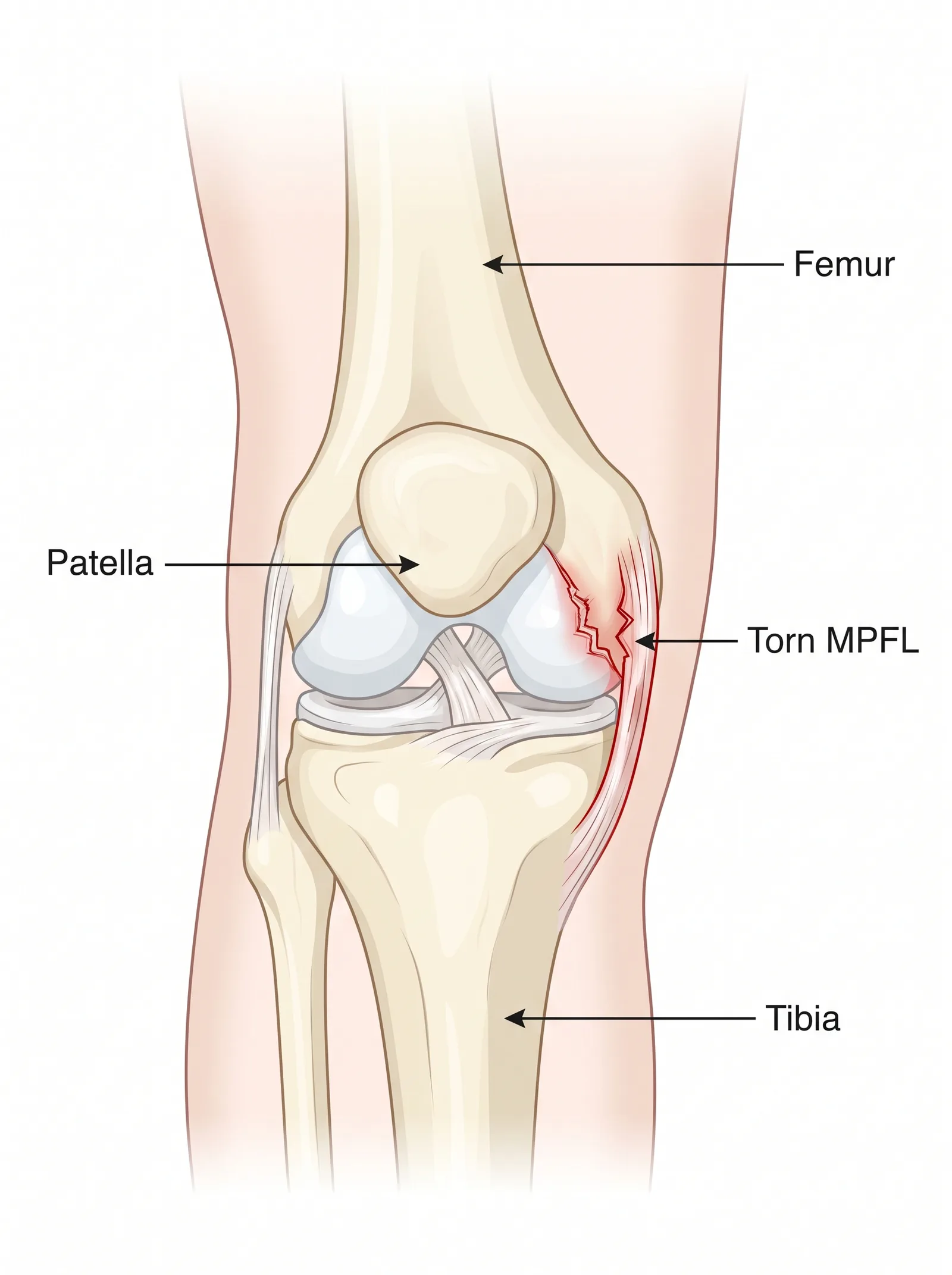
Dr. Bishai treats kneecap instability in Troy, where the patella slips or fully dislocates out of its groove. Most first-time cases improve with a brace and physical therapy that strengthens the supporting muscles. Dr. Bishai evaluates the cause and discusses surgery for those with repeated dislocations.
Shariff Bishai diagnoses and treats kneecap (patellar) instability in Troy, from the first visit through recovery.
Who treats kneecap (patellar) instability in Troy?
Shariff Bishai is a board certified orthopedic surgeon who treats kneecap (patellar) instability in Troy, MI. Fellowship trained at Plancher Orthopaedics and Sports Medicine (orthopedic sports medicine fellowship). Dr. Bishai sees patients at the practice in Troy; appointments can be requested through this site.
What is Kneecap (Patellar) Instability?
Kneecap instability is when the patella, the kneecap, moves out of its normal track.
It can partly slip, called a subluxation, or fully come out of the groove, called a dislocation.
It often happens during a twist or a direct hit, and some people feel the kneecap shift to the outer side of the knee. After a dislocation, the knee is usually swollen and painful, and it may feel like it will give way again.
Some people are more prone to this because of the shape of the groove, loose ligaments, or alignment. Care depends on whether it has happened once or many times.
How is Kneecap (Patellar) Instability diagnosed, and what does the visit involve?
Dr. Bishai examines how far the kneecap can be moved and how it tracks as the knee bends.
X-rays check alignment and the shape of the groove. An MRI scan, which shows soft tissue, can reveal damage to the stabilizing ligament or the cartilage after a dislocation.
What is recovery like for Kneecap (Patellar) Instability?
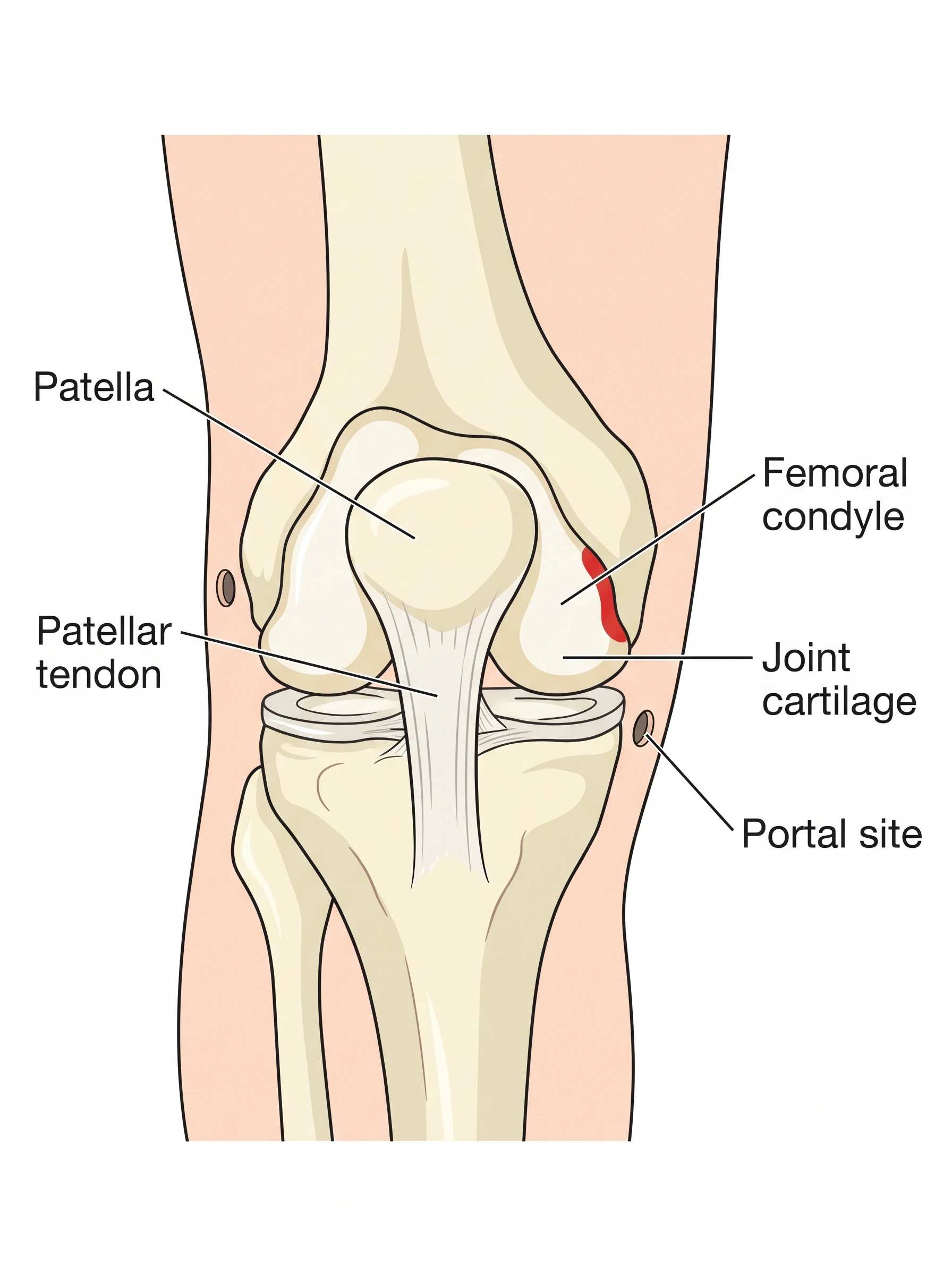
Many people recover from a first dislocation with therapy and bracing over several weeks.
The chance of another dislocation is higher in younger patients and those with certain anatomy. When instability returns, Dr. Bishai will discuss surgical options matched to the specific cause, which is covered on the related reconstruction pages.
What do patients ask most?
What is the difference between a kneecap subluxation and a dislocation?+
Will my kneecap dislocate again?+
Do I need surgery after a first dislocation?+
What muscles help hold the kneecap in place?+
What are the treatment options?
- 01Rest, ice, and swelling control after an episodeRest, ice, and swelling control after an episode.
- 02A brace or sleeve that helps keep the kneecap centeredA brace or sleeve that helps keep the kneecap centered.
- 03Physical therapy focused on the thigh and hip muscles that control trackingPhysical therapy focused on the thigh and hip muscles that control tracking.
- 04Activity changes to reduce the movements that provoke slippingActivity changes to reduce the movements that provoke slipping.
- 05Surgery, such as reconstruction of the ligament that holds the kneecap, for repeated disloSurgery, such as reconstruction of the ligament that holds the kneecap, for repeated dislocations or a structural cause that non-surgical care cannot address.
How do payments work?
Contact the office to confirm insurance participation.
Fellowship trained at Plancher Orthopaedics and Sports Medicine (orthopedic sports medicine fellowship). Sees patients in Troy.
About Dr. Bishai →